H.R.1 Medicaid Info Session: Every hour counts · Tuesday, December 8, 1:00–2:00 pm ET Register now

We can support your state’s response to H.R.1 Medicaid

Every hour counts. Build on the network you have.

Better Impact helps states build on the volunteer network they already have: volunteer centers connected statewide, opportunities close to where people live, and nonprofits ready to welcome new volunteers. Once your Medicaid agency knows about the network, it can query verified hours directly, with no manual form for any nonprofit or volunteer. That reduces the burden not only for volunteers and nonprofits, but also for state eligibility workers.
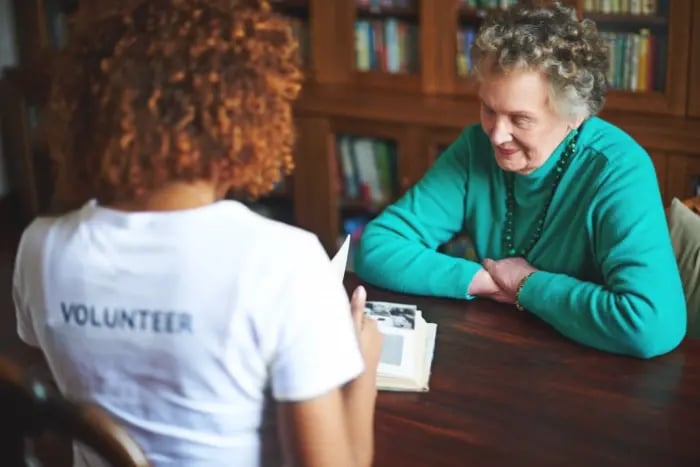
H.R.1 Medicaid Info Session · Tuesday, December 8 · 1:00–2:00 pm ET · 60 minutes

Every hour counts: a practical H.R.1 Medicaid briefing for states and volunteer centers

Join our H.R.1 Medicaid experts for a session on how states, volunteer centers and nonprofits can leverage the volunteer network they already have: a place to serve near every beneficiary, verified hours your state can rely on, and no added paperwork for applicants to submit or for state eligibility workers to review. We’ll also cover how the same network supports SNAP, and what our new Every Hour Counts program offers your state. Bring your questions.

What makes volunteering count

Under federal Medicaid rules, volunteer hours count toward the 80-hour requirement when four things are true. None of them are new. They’re how good volunteer programs already work, and each one is built into the way Better Impact runs.

  1. 1. Part of an organized program

    A real role with a description, a schedule and someone in charge, not an informal favor.

    With Better Impact: Each role is posted on your statewide site with its details and shifts.

  2. 2. With a nonprofit or public agency

    Service has to happen through an organization, not for a private business or an individual.

    With Better Impact: Every host organization is part of your state’s volunteer network.

  3. 3. Tracked by that organization

    The organization keeps a record of what the person did, on which dates and for how long.

    With Better Impact: Hours are logged every shift and add up in one profile across nonprofits.

  4. 4. Verified by a contact person there

    Someone at the organization can vouch that the service happened.

    With Better Impact: The coordinator who was there confirms the hours, and the record shows when.

Once all four are in place, the hour counts. With the volunteer’s permission, your state can look it up directly, so no one has to fill out a form.

See how hours reach your state

Build on the network you have

Our goal is simple: a place to serve every beneficiary, and no manual form for any nonprofit or volunteer. The volunteer network your state already has is the best place to start.

  1. 01It’s already thereVolunteer centers, statewide networks and nonprofits already have the opportunities, screening and hour tracking H.R.1 Medicaid depends on. States don’t have to create that infrastructure. What they need is a statewide hub that brings those opportunities together, and in 26 states, that hub already runs on Better Impact.
  2. 02It brings the right people into the planMedicaid agencies and their technology partners can solve most of their concerns by inviting the volunteer network into the room. The network is already in place, and we’re glad to make the introduction.
  3. 03It keeps paperwork off everyone’s plateStates don’t have to rely on manual uploads of PDFs or paper logs. They can query verified hours through state volunteerism bureaus, the same way they already check payroll and school enrollment data.

The network your state can build on

Before your state builds anything new, this is what’s already in place across the Better Impact network.

  • 25+years serving volunteer programsWe know what a coordinator’s day looks like.
  • 15Mvolunteer recordsThe hour history H.R.1 Medicaid asks states to rely on.
  • 65kvolunteering locationsReal places people can serve today.
  • 10k+zip codes reachedOpportunities close to home.
Speak with an H.R.1 Medicaid expert

6 min read

A place to serve for every beneficiary.

Read why we launched Every Hour Counts, and what states and volunteer centers can do now to keep paperwork off everyone’s plate.

  • Three things every state needs to hear
  • The two paths states are taking
  • What we’re standing up for
Read the announcement

Put volunteer opportunity data to work

After all the outreach and education on H.R.1, Medicaid applicants are looking for volunteer opportunities now to keep their coverage. Better Impact has information on verified volunteer opportunities across the country, so your state can match opportunities with the people who need hours to qualify for Medicaid, or to keep it at renewal.

Applicants need a place to serve

Self-attestation lets someone claim hours, but applicants still have to find a volunteer opportunity to qualify.

Match people to opportunities

Verified opportunities near where people live help applicants find a role that counts, faster.

Help eligibility workers keep members enrolled

Eligibility workers can use nonprofit information on volunteer opportunities to point members to a place to serve.

Speak with an H.R.1 Medicaid expert

Closing the volunteer hours gap

Work and school hours can be checked against data states already have. Volunteer hours can close the gap to the required 80 hours. Starting in 2028, states will no longer be allowed to accept self-attestation and must require documentation of hours. Deciding how your state covers the gap now can have major benefits going forward, including clarity across departments and technical infrastructure that’s ready as volume grows.

Every state will find its own approach, and many will blend the two below.

Doing it alone

Build something new

  • A new volunteer platform is built for the state
  • Nonprofits learn and adopt a new system
  • Hours are often confirmed and shared by hand at first
  • Beneficiaries bring records of their hours to caseworkers

The hardest way to do it, and the hardest to scale as volume grows

Using what exists

Build on a volunteer data solution

  • 211 and Medicaid connect people to the state’s existing volunteer network
  • Nonprofits keep the tools they already use
  • Hours are recorded and confirmed where the service happens
  • Beneficiaries serve, and their record follows them

Documentation that holds up, without new work for nonprofits.

Wherever your state lands, we can help.

Better Impact brings the software and the expert support. We start with opportunity coverage now, and once your Medicaid agency knows about the network, we can connect verified hours to state systems. Applicants are looking for opportunities now, and our information on verified volunteer opportunities helps your state match people with roles that count.

Speak with an H.R.1 Medicaid expert
“States that work with the existing infrastructure are far more prepared than those recreating the wheel. I’m seeing this firsthand.”
Headshot of the President of Better ImpactTimothy Sarazen, President, Better Impact

Query before you burden.

States already check the information they can access before asking anyone for paperwork. Doing the same for volunteer hours means nonprofits, who will be busy welcoming an influx of new volunteers, don’t take on an extra reporting burden.

Volunteer coordinators confirm hours once, in the tools they already use, and your state looks them up from there. No new portal, no double entry, no extra reports.

What does support look like for your state?

Software and expert support in one package, for new and existing state partners. See what’s included and how we work alongside your team.

Why states work with us

We’re leaders in the volunteering space

Many of our team have run volunteer programs themselves. We know what a coordinator’s day looks like, and we design around it.

We’re in the room

We’ve advocated to the federal government for the volunteer sector, and we work with state commissions and volunteer centers on H.R.1 Medicaid every week.

We stay with you

Our experts work alongside your team from the first conversation through your pilot and statewide rollout, not just at launch.

Volunteers first

It’s our first value. Every decision starts with the person who shows up to serve, and the organization that welcomes them.

How volunteer hours get from a shift to your state

  1. ServeSomeone volunteers with a local nonprofit and logs their hours.
  2. ConfirmThe volunteer coordinator who was there confirms them.
  3. Add upHours add up in one profile, even across different nonprofits, with a full history.
  4. Look upWhen it's time to check, your state looks up that person's hours.
  5. DecideWe share the confirmed total. Your state makes the coverage decision.

The first three steps start on day one. Looking up hours connects when your state is ready.

Your first 90 days with us

Start small, learn fast, and decide together what comes next.

  1. FirstSee what’s already thereWe map the nonprofits, roles and counties already active in your state, and where the gaps are.
  2. NextGet nonprofits readyTogether we bring host organizations onto your site, flag the roles that count and set each volunteer center up to record hours correctly.
  3. ThenPilot and reviewRun a pilot in one to three counties, with monthly updates and a review at 90 days to plan your statewide rollout.
Speak with an H.R.1 Medicaid expert

How the requirement works

80 hours a month
Work, school, a work program or volunteering, in any combination. Half-time school or qualifying monthly income also meet it.
Checked regularly
At application and at renewal (every six months), and more often if your state chooses.
Proof that holds up
Expectations for documenting hours are rising, so verified records matter more over time.
SNAP too
Food assistance work rules also count volunteering.

Lead a volunteer center or statewide network? Three things you can do today

  1. 1. Reach out to your state’s Medicaid policy and technology leadersThey’re the people deciding how your state will check community engagement hours.
  2. 2. Tell them your network existsShare the organizations, opportunities and counties you already reach. It’s the input most states are missing.
  3. 3. Offer to bring in technology advisorsLet them know you can bring experts into the room to help streamline how hours are reported.

H.R.1 Medicaid basics

Who has to meet the 80-hour requirement?

Most adults ages 19 to 64 who get Medicaid through expansion. There are exceptions, including parents and caregivers of children 13 and under, pregnant people and people who are medically frail. States can also adopt hardship exemptions, and your state sets the details.

Does volunteering really count?

Yes, when it's with a nonprofit or public agency, part of an organized program, and the hours are tracked and confirmed. People can also combine volunteer hours with work or school to reach 80.

What would a volunteer center have to collect and share?

There’s no federal requirement for volunteer centers or host nonprofits to collect or share information. A community service organization’s record of someone’s hours is one example of documentation a state may accept. States can set their own rules, and sharing someone’s information needs their permission.

Does the requirement apply to a whole household?

No. It applies to individual adults who aren’t exempt. Many household members may be exempt, including children, pregnant people and parents or caregivers of young children. Your state reviews each person.

Is there a standard form for tracking hours?

Not yet. Federal rules set out what needs to be tracked: the type of activity, the dates and hours, and a contact who can confirm them. States are still deciding which formats they’ll accept.

We also run SNAP work rules. Is this useful there?

Yes. Volunteering already counts under SNAP’s work rules, so the opportunities and verified hours on your statewide site can serve people in both programs. How they’re used is up to your state.

How the program works

How do people find volunteer roles that count?

Your state's Better Impact site lists opportunities from nonprofits across the state in one place. People can search by location and type of work, and roles that count toward H.R.1 Medicaid and SNAP can be clearly marked.

Who decides which roles count?

Your state does. We help you set up the categories that qualify and tag those roles on your site, so volunteers and nonprofits know what counts.

How do volunteers log their hours?

Volunteers sign up for a role, serve their shift and log their hours on the site. Coordinators can also record hours for them. Either way, the hours go to the nonprofit to confirm.

How does a coordinator confirm hours?

The volunteer coordinator who oversaw the work reviews the logged hours and confirms them in Better Impact. Each confirmation is saved with who confirmed it and when.

What if someone volunteers with more than one nonprofit?

Their hours add up in one volunteer profile, no matter how many nonprofits they serve with. Nobody has to collect letters from each place.

Can nonprofits screen and train new volunteers first?

Yes. Nonprofits can require background checks, training and signed waivers before someone serves, and each step is tracked on the volunteer's record. Scheduling and reminders help people show up and finish their hours.

What if a nonprofit isn't on Better Impact yet?

We help bring them onto your statewide site, set up their account and train their staff. It's part of the expert support we provide.

What does the state see?

When your state checks on someone, it sees their verified volunteer hours for the dates it asked about, plus a record of who confirmed them. Only with the volunteer's permission.

How does this fit with the technology our state already has?

Your coverage decisions stay in the system you use today. Better Impact simply gives that system a way to look up verified volunteer hours. We plan the connection together with your state and its technology partner.

What if no hours are found for someone?

It only means we don't have verified hours under that person's information for those dates. It doesn't mean they failed the requirement. Your state decides what happens next.

Will our nonprofits have to report hours to the state?

No new reporting. Volunteer coordinators confirm hours once, in the Better Impact site they already use, and your state looks them up from there.

What happens to volunteers' information?

Hours are shared only with the volunteer's permission. Exactly what's shared, and how, is agreed with your state before anything is set up.

Working with us

What’s in the plan?

One package with two parts. Software: the full Better Impact platform, set up for H.R.1 Medicaid-ready volunteer and opportunity management. Strategic consulting: hands-on support from our team to plan, launch and run your state’s approach. Existing customers keep everything they have today and can add dedicated 1:1 support.

How is this different from a volunteer center site?

A volunteer center site gives people a place to volunteer. This goes further: SNAP- and H.R.1 Medicaid-ready opportunities from across your state in one place, a way for your state to see verified hours, and our team helping you set it all up.

What does the expert support include?

New customers get up to 100 hours a year with our team. That time goes to what your state needs most: a readiness snapshot, bringing nonprofits onto your site, support through a pilot, and, when your state is ready, planning how verified hours reach the state.

Is there a cost to states?

If your state would like to automatically query volunteer hours inside its existing eligibility and enrollment platforms, we have solutions and can walk through how to do that.

Who usually funds this work?

It depends on the work. Building opportunity coverage and the volunteer center network is typically funded by states, 211 or nonprofit networks. Connecting verified hours to state systems is typically funded by the state Medicaid agency or human services department.

How do we get started?

Speak with one of our H.R.1 Medicaid experts. We’ll start with a readiness snapshot of what’s already in place in your state. From there, you can begin with a 90-day pilot in one to three counties before rolling out statewide.

We’re already partway through planning. Is it too late to start?

No. Whether you’re just starting or adjusting an approach already in place, we’ll meet you where you are, from mapping opportunities to getting nonprofits set up.

Talk with an H.R.1 Medicaid expert.

We can support your response to H.R.1 Medicaid. Ready to talk about your state, or have questions? We'll walk you through the volunteer network already in place, where the gaps are, and how other states are preparing. Our team understands volunteer programs because we've run them.