4 min read
From Winding Trails to a Map: My Journey to the CVA
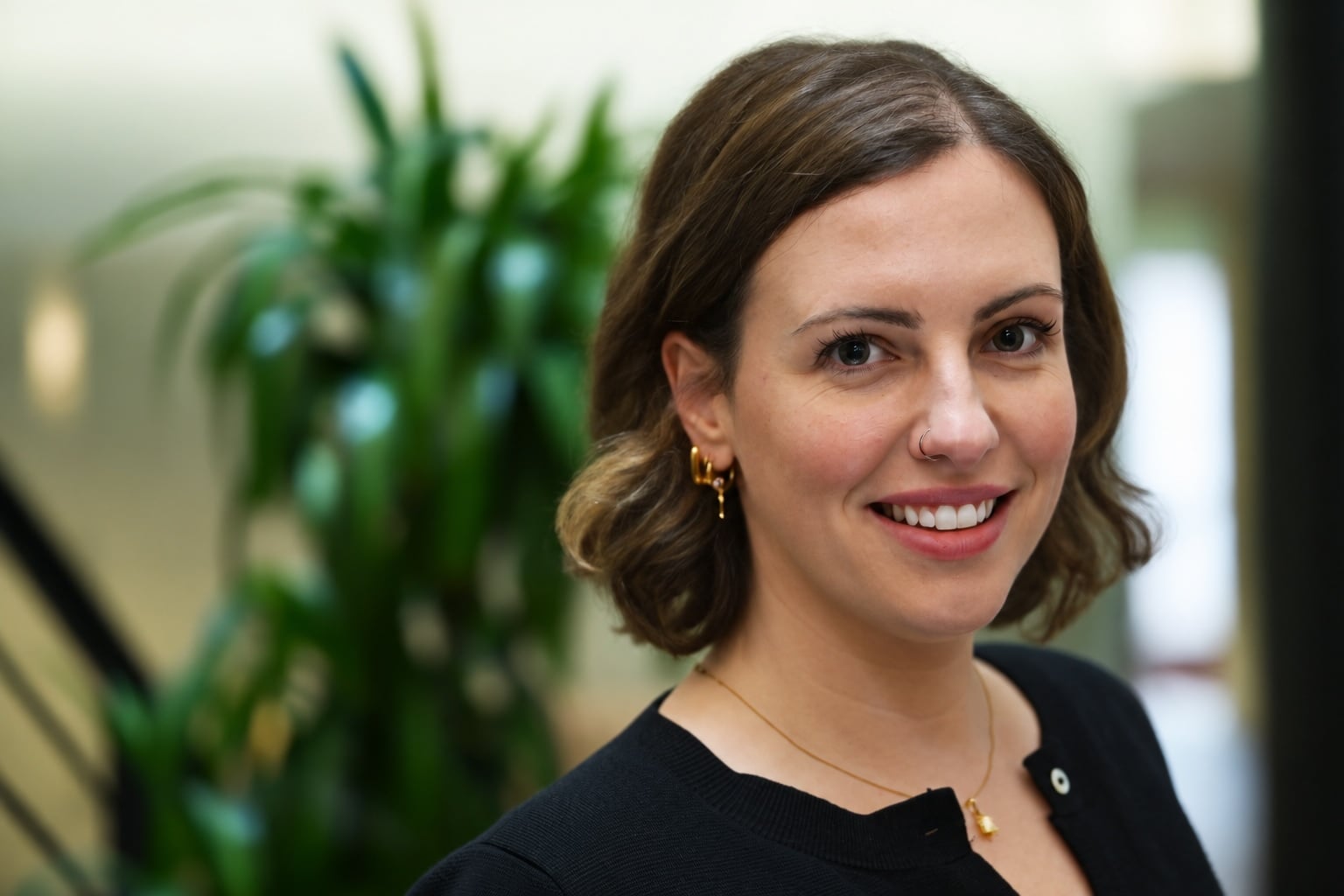 Madeline Kingston, CVA
Nov 16, 2026, 12:44:43 PM
Volunteering has been in my life for as long as I can remember. It was deeply ingrained in my family's values growing up. My grandfather was the founding president of the Kiwanis Club of West Kingston, and my father has dedicated more than 25 years as the Route Director for the CIBC Run for the Cure. It wasn't uncommon for us to spend our weekends moving pylons, handing out water, or helping wherever we were needed. Being actively engaged in the community was simply part of the ethos of our family. I knew it was something I would continue to do throughout my life; I just didn't think it would lead to a career.
How My Journey Began
The first time I entered the profession was in 2012, when I led youth volunteers on a 43-day excursion into the jungles of Peru. I was young, adventurous, and looking for an opportunity to travel and work. I knew volunteering had taught me so much, and I was excited to share what I had learned through my own experiences with others. The trip quickly became a crash course in leading groups through uncertainty and learning to adapt along the way (navigating a city-wide riot, a tarantula encounter, and a stolen passport, to name a few). More importantly, the experience introduced me to questions that have continued to shape my thinking about volunteer engagement: the power dynamics inherent in this work, the ethics of volunteer tourism, and what it really means to create meaningful community impact.
I was equally naïve and ambitious. I left the Amazon and completed my Bachelor of Social Work with aspirations to work in the non-profit sector with organizations that aligned with my values. Entering the job market after graduation was much harder than I had anticipated. After several attempts to find my footing, an opportunity came up as a Volunteer Coordinator at the Canadian Breast Cancer Foundation. Reading the job description was a moment of clarity. It combined so many of the things I knew and loved: volunteerism, community and relationship building, logistics, and creating opportunities for people to contribute. The organization also had personal meaning for me, having lost my grandmother to cancer.
That first role set me on my career path. I gained experience in events, fundraising, database management, stakeholder engagement, and developing the training and support that enables volunteers to do incredible work in their communities. It also showed me how broad the field of volunteer engagement really was, and I knew I wanted to keep learning and growing within it. Since then, I have had the opportunity to work at Toronto Humane Society, Volunteer Canada, and March of Dimes Canada. I have also pursued further education in corporate social responsibility and sustainability, completing a capstone project focused on corporate volunteering. Each of those experiences added to what I knew, but much of my practice was still being built through trial and error. I wanted something that would hold it all together.
How the CVA Gave My Practice a Framework
That is what eventually led me to the CVA (Certification in Volunteer Engagement). I obtained my CVA in October 2020 and renewed it in 2025. Studying for and writing the exam helped put a framework around years of practical experience and gave me a deeper understanding of the standards, ethics, and principles behind the work. Many of the questions I had carried since Peru finally had language and standards behind them. For me, the CVA has become more than a credential. It represents a commitment to best practice and to continuing to learn and evolve within the profession.
In practical terms, that framework changed how I make decisions. Early in my career, decisions about volunteers or program structure could sometimes feel like navigating without a map. With experience, and a stronger understanding of policy and legislation that inform volunteer engagement, I have developed a toolkit for decision-making. That knowledge, along with my designation, has given me greater confidence in how I approach volunteerism, make consistent decisions, and challenge policies or practices that no longer reflect current needs or industry standards. My approach has also shifted from thinking primarily about managing volunteers to designing the conditions in which volunteers can be successful.
One of the best pieces of advice I have received along the way is, "The best form of volunteer recognition is a great role." I come back to that idea often. A meaningful volunteer experience is not solidified with a thank-you gift or recognition event. It begins with thoughtful role design and, more importantly, an organization that is prepared and educated to work with and support volunteers. This means understanding why the role exists, ensuring there is meaningful work to do, recruiting the right person, setting clear expectations, providing appropriate screening and training, creating accessible ways to participate, offering ongoing support and feedback, and making sure volunteers understand the impact of their contribution. It also means recognizing that these practices depend on broader organizational infrastructure: volunteerism must be embedded in organizational strategy, supported by staff at every level, backed by dedicated funding, and enabled by technology and systems that support sustainable volunteer engagement.
Building that kind of buy-in and infrastructure is not always straightforward. Volunteer engagement often operates with limited resources, and much of the work requires creativity, problem-solving, and the ability to evolve. Throughout my career, I have learned to find practical solutions to immediate challenges while also zooming out to look at the bigger picture: what systems, resources, and organizational support need to be in place for volunteer engagement to be successful over the long term. It also means considering volunteers as part of broader talent and workforce planning, while recognizing that they are a distinct stakeholder group.
My work now has moved beyond recruiting and oversight to shaping the processes behind their experience: how roles are designed, how people are screened and onboarded, and how we build consistency across programs without losing the flexibility different communities need.
Finding Community and a Map Forward
The CVA has opened new career possibilities, writing opportunities (like this one!), and relationships with others in the field. Maintaining the certification requires me to remain actively engaged through professional development, webinars, research, reading, and writing. That connection to the broader profession matters. It is not uncommon to be the only person focused on volunteer engagement in an organization, and that can sometimes feel isolating. Seeing the work other CVAs are doing gives me new ideas, challenges my thinking, and reminds me that I am part of a much larger professional community. On many occasions I have reached out to other CVAs for insights.
And while my perspective has broadened and my approach has evolved, I still find myself coming back to the questions that started it all: Is the work meaningful? Are we creating the right conditions for people to contribute? And are we making the kind of impact we intended? These questions have stayed with me throughout my career, shaping how I approach my work and the decisions I make along the way.
Looking back, my path hasn't exactly been linear. It's been more of a winding jungle trail, much like where it all began. The difference is that, thanks in part to the CVA, I now have a map.
I'd love to hear from you. What keeps you moving forward on your own volunteer engagement journey? And if the CVA is a path you've been considering, what would help clear the way?
Featured Posts
- Mastering Volunteer Management: The Ultimate Nonprofit Guide
- 18 Best Volunteer Management Software Tools for Nonprofits
- Nonprofit Volunteer Recruitment: Overview + Top Strategies
- Volunteer Training: How to Set Volunteers up for Success
- Volunteer Appreciation: Getting Started + 10 Top Ideas